Follow Me On Social Media!

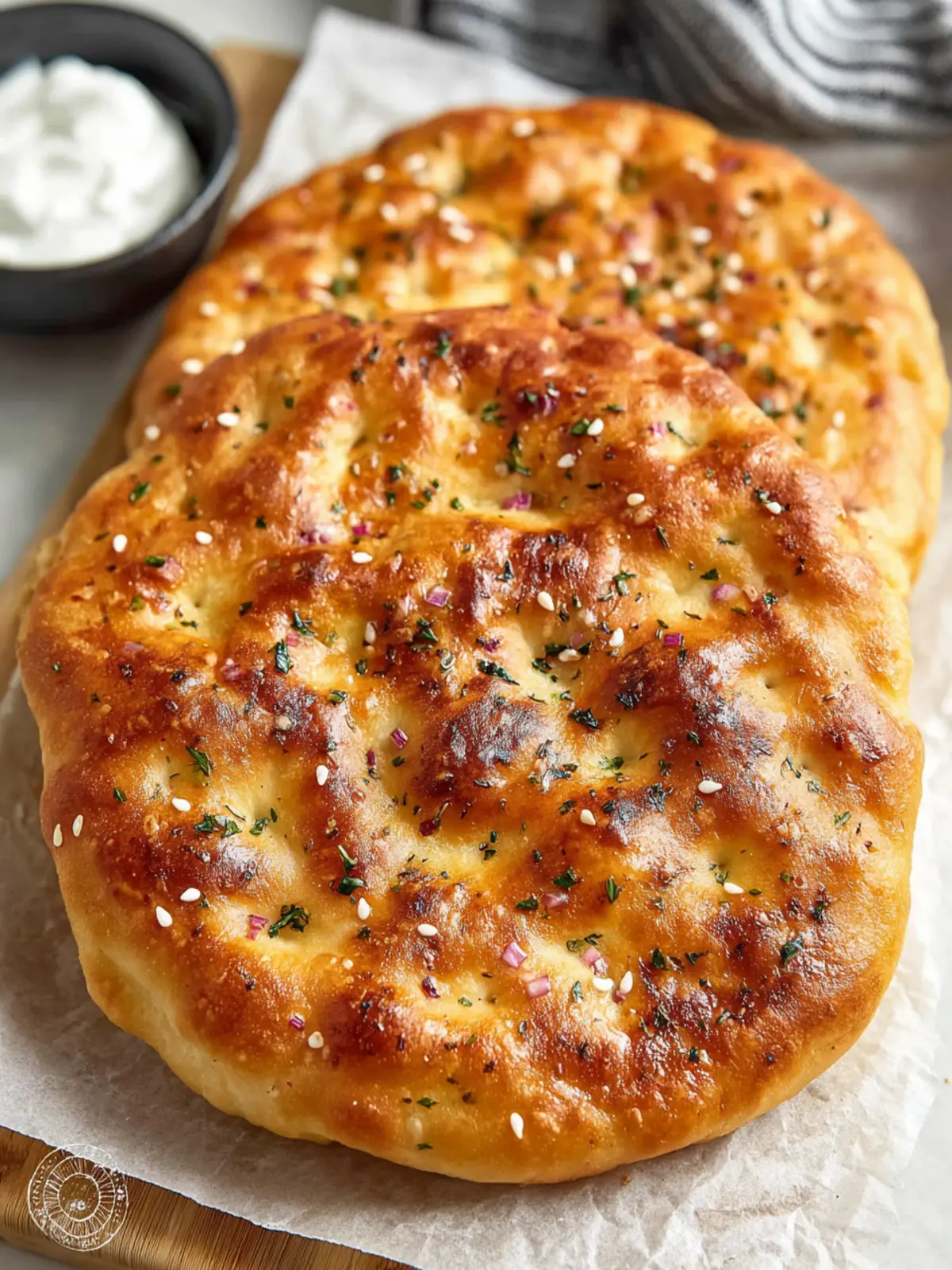
Turkish Ramadan Bread: Easy, Soft, and Irresistibly Flavorful

Introduction to Turkish Ramadan Bread (Ramazan Pidesi)
There’s something undeniably enchanting about the aroma of Turkish Ramadan Bread, or Ramazan Pidesi, wafting through homes during the holy month. This traditional bread, specifically baked to celebrate Ramadan, carries deep cultural significance and is cherished by families across Turkey. Imagine gathering around the table after a day of fasting, breaking your fast with a piece of this warm, freshly baked bread. The experience is not merely about taste; it sparks memories of togetherness and gratitude, reflecting the essence of Ramadan itself.
What makes Turkish Ramadan Bread so special?
The ingredients and preparation methods are steeped in tradition. Made with simple yet high-quality ingredients, each loaf is a testament to Turkish culinary craftsmanship. To create this delightful bread, bakers often use:
- Flour: The foundation of any good bread. A blend of all-purpose or bread flour gives the pide its desired structure and chewiness.
- Yeast: This vital ingredient ensures the bread rises beautifully, creating those airy pockets that make each bite irresistible.
- Water: Simple yet essential, the right amount of water helps in hydrating the flour, resulting in a perfect dough.
- Salt: Accentuating the bread’s flavor, salt plays a crucial role in balancing the sweetness of the other ingredients.
- Egg Yolk: Often brushed on top before baking, it lends a golden color and adds richness to the crust.
- Sesame Seeds: These are a common topping, adding a delightful crunch and nuttiness.
Beyond the ingredients, what really sets Turkish Ramadan Bread apart is the love and care baked into it. Each loaf is shaped by hand, often decorated with intricate patterns using a sharp knife, making it as visually appealing as it is delicious.
As you embark on the journey to make your own Ramazan Pidesi, you’re not just following a recipe; you’re joining a long line of tradition, sharing in the love and warmth that this bread represents during Ramadan. So roll up your sleeves and get ready to create something truly special!
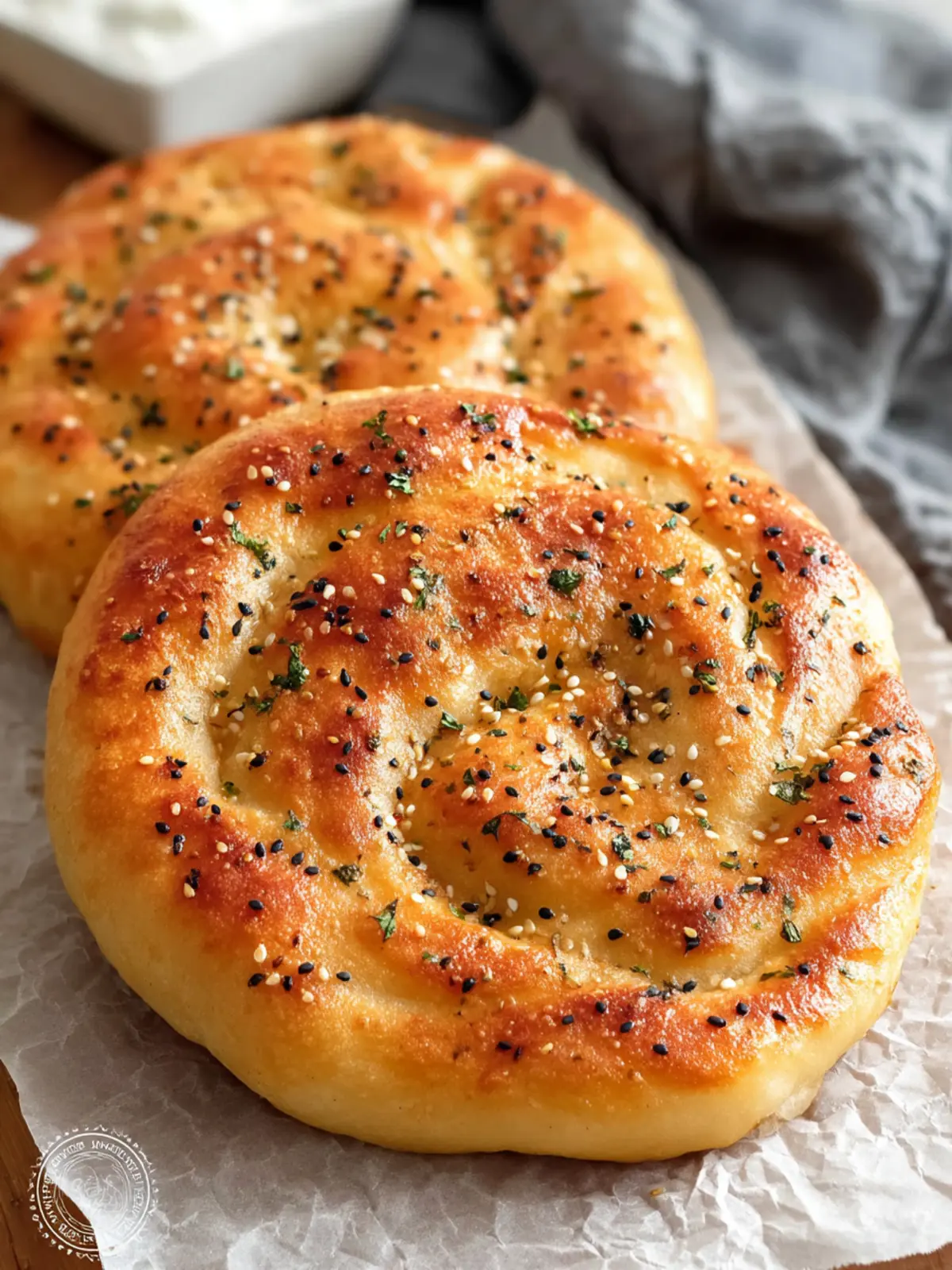
Key Ingredients for Turkish Ramadan Bread
Creating Turkish Ramadan Bread (Ramazan Pidesi) involves a handful of ingredients that transform humble staples into a delightful, aromatic flatbread cherished during the holy month of Ramadan. Let’s explore these essential ingredients:
-
Flour: I prefer using strong bread flour because its high protein content yields a chewy texture that’s absolutely satisfying. The right flour makes all the difference!
-
Yeast: Fresh yeast is my go-to for this recipe. It reacts quickly, promising a light and airy bread. If you can only find dry yeast, just remember to activate it first with warm water.
-
Water: Using lukewarm water helps to awaken the yeast, allowing it to froth and bubble, which is vital for that perfect rise.
-
Salt: This ingredient does more than just season; it strengthens the gluten structure, enhancing the overall flavor and texture of the bread.
-
Olive Oil: A drizzle of olive oil not only enriches the dough but also adds a lovely flavor and results in a beautifully golden crust.
-
Toppings: Traditional toppings like sesame seeds or nigella seeds not only provide crunch but also add a distinct aroma. Sometimes, I sprinkle a touch of coarse sea salt for an extra flavor boost.
Mix these ingredients with love and patience, and you’ll create a Turkish Ramadan Bread that’s perfect for sharing at iftar!
Why You’ll Love This Turkish Ramadan Bread
The aroma of Turkish Ramadan Bread baking in your oven has a way of transporting you to bustling bazaars and family gatherings, where stories are shared over freshly baked loaves. This unique bread, known as Ramazan Pidesi, is not only a staple during the holy month of Ramadan but also a culinary experience that’s rich in tradition and flavor.
What you’ll appreciate the most is its beautifully soft texture and the delicious, slightly crispy crust, making it perfect for tearing and sharing. Imagine pulling apart a warm piece of bread, ideal for dipping into savory dishes like lentil soup or enjoying with a spread of creamy dips. The delicate balance of flavors, infused with sesame seeds and a hint of sweetness, invites everyone around the table to savor each bite.
Not to mention, making Turkish Ramadan Bread at home allows you to add your personal touch. Whether you choose to sprinkle additional sesame or poppy seeds on top or enjoy it plain, it’s a delicious canvas that complements any meal. So when you’re craving a taste of tradition, this bread will undoubtedly become a favorite in your kitchen.
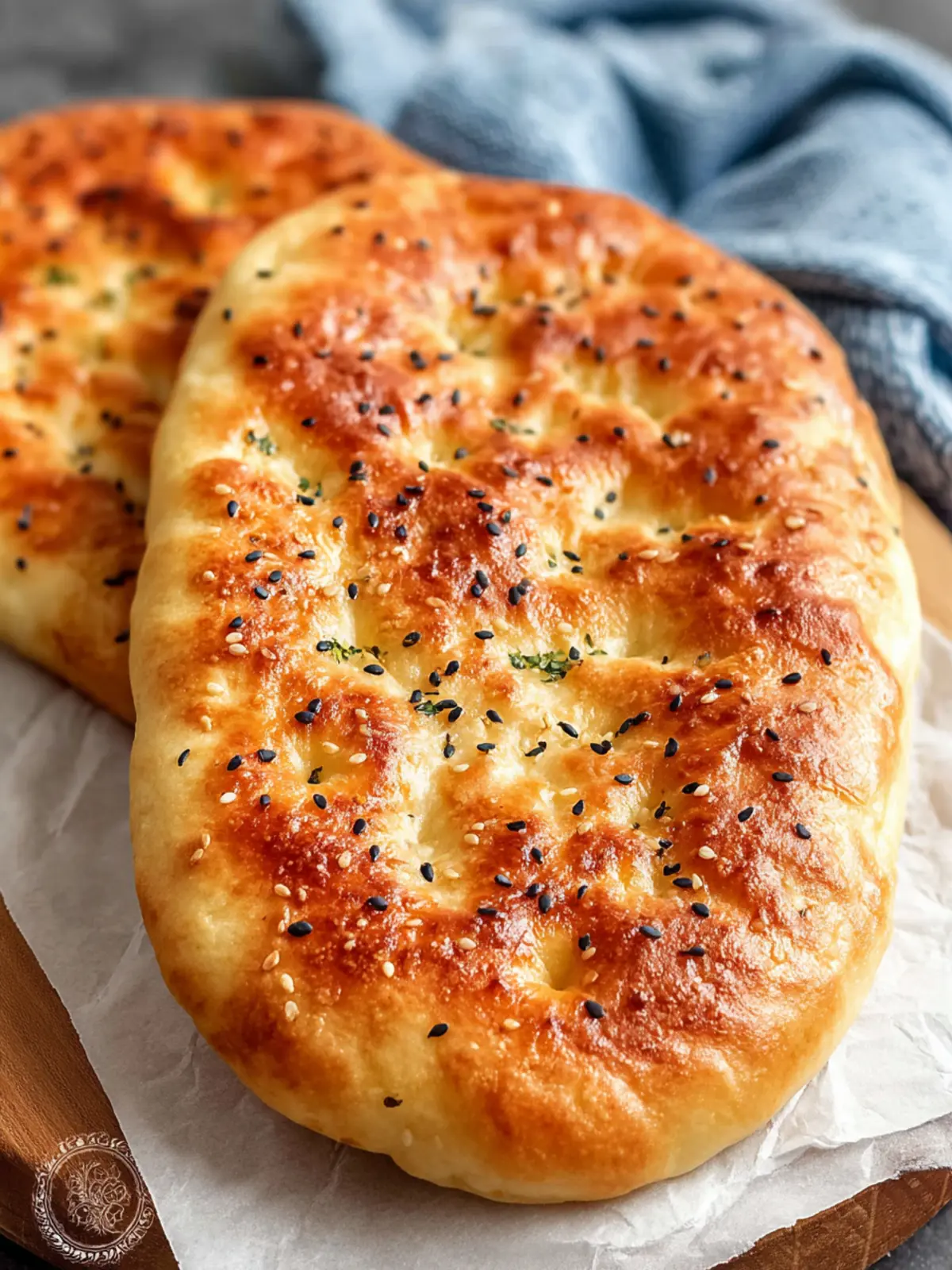
Variations of Turkish Ramadan Bread
Turkish Ramadan Bread, or Ramazan Pidesi, is a delightful staple during the holy month of Ramadan, offering a soft, warm goodness that’s hard to resist. As families gather for iftar, many love to add their own twist to this beloved recipe, creating variations that highlight personal flavor preferences and regional traditions.
Classic and Herbed Variants
-
Classic Ramazan Pidesi: This is the traditional version, featuring a simple yet delicious combination of flour, yeast, and water. It’s characterized by its slightly chewy texture, perfect for dipping into soups or enjoying with a variety of dishes.
-
Herbed Bread: Elevate your Turkish Ramadan Bread by incorporating fresh herbs like rosemary or thyme. This aromatic touch not only enhances the flavor but also fills the kitchen with an inviting aroma that makes everyone eager for iftar.
Sweet Suggestions
For those with a sweet tooth, consider these delightful options:
-
Honeyed Pide: Before baking, brush the dough with a mixture of honey and warm water. The result is a slightly sweet crust that pairs wonderfully with cheese or spreads.
-
Dried Fruit Addition: Incorporating dried fruits such as raisins or finely chopped apricots into the dough can add a delightful sweetness and a chewy texture that makes the bread perfect for snacking.
By experimenting with these variations, you can create a unique take on Turkish Ramadan Bread, allowing your personal touch to shine while maintaining the essential qualities that make this bread such a cherished part of Ramadan traditions.
Cooking Tips and Notes for Turkish Ramadan Bread
Creating the perfect Turkish Ramadan Bread (Ramazan Pidesi) transcends mere cooking; it’s about crafting tradition into each loaf. This delightful bread is often enjoyed during the holy month of Ramadan, symbolizing unity and nourishment for families coming together to break their fast. Here are some handy tips to ensure your bread turns out perfectly every time.
Kneading Techniques
Kneading is vital for developing that chewy texture everyone loves. Use your palms to push the dough away from you, then fold it back. Repeat this motion for about 10 minutes. A tip? Be patient! The more you knead, the better the bread.
Proving Perfection
Letting the dough rise properly is crucial. It should double in size, which usually takes about an hour. For best results, place the dough in a warm, draft-free area. If your kitchen is cool, an oven set to its lowest temperature (then turned off) can create the perfect proving environment.
Achieving Golden Crust
To get that beautiful crust, brush the bread with egg wash before baking. This not only adds shine but enhances the overall flavor. Don’t skimp on the sesame seeds either—they offer a delightful crunch and nutty taste.
Storing Your Bread
If you have leftovers, wrap them in aluminum foil or plastic wrap and store them at room temperature. For longer storage, consider freezing the bread. Reheat it in the oven for that freshly baked taste!
These tips help ensure that your Turkish Ramadan Bread becomes a cherished part of your Ramadan celebrations. Happy baking!
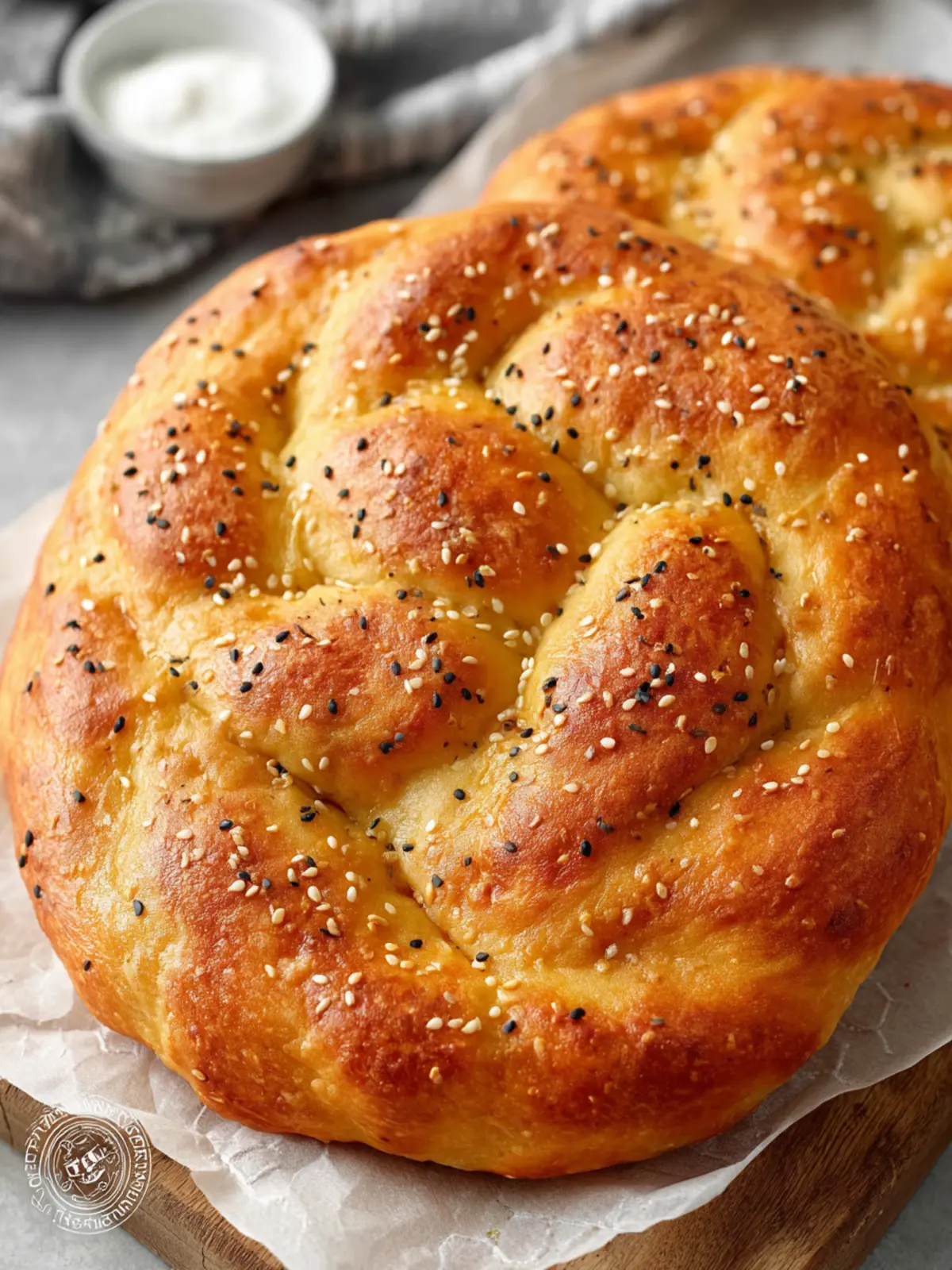
Serving Suggestions for Turkish Ramadan Bread
When the aroma of Turkish Ramadan Bread fills your kitchen, it’s hard to resist imagining the perfect ways to enjoy it. This fluffy, pillowy bread shines at your table, especially during the holy month of Ramadan. Here are some delightful serving suggestions to elevate your bread experience.
Enjoy with a Warm Bowl of Soup
There’s something comforting about pairing warm Turkish Ramadan Bread with a hearty soup. Whether it’s a rich lentil soup or a spicy tomato soup, the bread’s texture is perfect for dipping and soaking up the flavors. Try it with a side of yogurt for a refreshing contrast.
Perfect with Meze Platters
Utilizing Turkish Ramadan Bread as part of a meze platter is a sure way to impress your guests. Slice the bread into wedges, presenting it alongside a variety of dips like hummus, baba ghanoush, and tzatziki. The combination allows for a fun, communal dining experience where everyone can share and try different flavors.
Ideal for Sandwiches
If you’re looking for a unique take on lunch, use your Turkish Ramadan Bread to create delicious sandwiches. Layer it with grilled meats, fresh vegetables, and a spread of tahini or garlic sauce. Each bite will be a delightful explosion of flavors.
Elevate a Simple Charcuterie Board
Lastly, adding Turkish Ramadan Bread to your charcuterie board makes it stand out. The bread offers a different texture that complements cheeses, olives, and cured meats, creating a feast for both the palate and the eyes.
No matter how you choose to serve it, your Turkish Ramadan Bread will undoubtedly bring warmth and joy to your table.
Time Breakdown for Making Turkish Ramadan Bread
Creating Turkish Ramadan Bread (Ramazan Pidesi) is more than just a cooking task; it’s an experience filled with aromatic mingles and comforting textures that enhance the spirit of Ramadan. Here’s a straightforward breakdown of how to manage your time while crafting this delectable bread.
Preparation Time
Start with approximately 20 minutes for preparation. This includes measuring ingredients, mixing the dough, and shaping the bread.
Rising Time
Allow your dough to rise for about 1 hour. This fermentation period is crucial as it develops flavor and texture in your Turkish Ramadan Bread.
Baking Time
Bake the bread for 15-20 minutes, until it achieves that golden crust. The warm aroma filling your kitchen will be the perfect reward for your efforts.
Total Time
In total, you’ll spend about 1 hour and 40 minutes bringing this lovely bread to life—from prep through to the last golden brown crust. Enjoy every moment!
Nutritional Facts for Turkish Ramadan Bread
Understanding the nutritional facts for Turkish Ramadan Bread, or Ramazan Pidesi, can help balance your festive meals during the holy month. This traditional bread is not just a delicious accompaniment; it’s also a source of essential nutrients.
Calories
A serving of Turkish Ramadan Bread typically contains around 200-250 calories. This makes it a satisfying addition to your iftar meals without overwhelming your calorie count.
Carbohydrates
With approximately 40-50 grams of carbohydrates per serving, Turkish Ramadan Bread provides a good energy boost after a day of fasting. The carbs mainly come from refined flour, giving it that soft, fluffy texture.
Protein
You can expect to find about 6-8 grams of protein in each serving of this delightful bread. While not a high-protein food, it offers essential amino acids that complement other dishes on your table, making for a well-rounded meal.
FAQs about Turkish Ramadan Bread
Turkish Ramadan Bread, or Ramazan Pidesi, is a delightful addition to your iftar table, rich in cultural significance. As more people discover this bread’s unique flavor and texture, questions about its preparation, storage, and serving are plenty. Let’s dive into some frequently asked questions to help you enjoy this traditional bread to its fullest.
Can I make Turkish Ramadan Bread ahead of time?
Absolutely! You can prepare the dough for Turkish Ramadan Bread a few hours in advance. After kneading, let it rise until doubled in size. Then, you can shape it and refrigerate it for a few hours before baking. Just remember that the bread is best enjoyed fresh for that signature softness and warm aroma.
How do I store leftover bread?
If you find yourself with any leftover Ramazan Pidesi, storing it properly is essential to maintain its delicious texture. Wrap the bread in a kitchen towel or place it in a paper bag to keep it airy. Avoid plastic bags, as they can make the bread soggy. Store it at room temperature for up to two days.
Can I freeze Turkish Ramadan Bread?
Definitely! Freezing is a great way to prolong the life of your Turkish Ramadan Bread. After it has cooled completely, wrap it tightly in plastic wrap and then place it in a freezer bag. It can be frozen for up to three months. When you’re ready to enjoy it again, simply reheat it in the oven for that fresh-baked taste.
What dishes pair well with Turkish Ramadan Bread?
Turkish Ramadan Bread is versatile and complements various dishes beautifully. Consider serving it with:
- Various kebabs
- Fresh salads like shepherd’s salad
- Dishes like lentil soup
- Cheese spreads or olives for a delightful snack
Embrace the tradition and flavors of Ramadan with this warm, inviting bread!
Conclusion on Turkish Ramadan Bread
Experiencing the joy of Turkish Ramadan Bread (Ramazan Pidesi) is more than just savoring its rich, warm flavors; it’s about embracing a cherished tradition. This soft, pillowy bread not only complements festive meals during Ramadan but also invites warmth and togetherness at your table. Imagine breaking bread with loved ones, sharing stories and laughter; this bread adds a perfect touch to those moments. Crafting your own Ramazan Pidesi can be a delightful experience, bridging past and present. As you prepare this recipe, relish each step, and enjoy the delicious outcome that honors a beautiful heritage.
Print
Homemade Pide Bread
- Total Time: 1 hour 35 minutes
- Yield: 2 loaves 1x
- Diet: Vegetarian
Description
Delicious homemade pide bread with a soft and slightly sticky texture, perfect for any meal.
Ingredients
Scale
- 3 cups all-purpose flour
- 1 ½ teaspoons salt
- 1 tablespoon granulated sugar
- 1 teaspoon instant yeast
- 1 cup warm milk
- ¼ cup extra virgin olive oil (or melted butter/ghee or vegetable oil)
- 1 egg yolk
- 1 tablespoon milk (or heavy cream or yogurt)
- 1 teaspoon toasted sesame seeds
- 1 teaspoon nigella seeds
Instructions
- In a large bowl, combine the flour, salt, sugar, and instant yeast. Add the warm milk and olive oil to the dry ingredients.
- Knead the mixture until a soft, slightly sticky dough forms, about 8-10 minutes by hand or 5 minutes with a stand mixer.
- Cover the bowl with a damp cloth or plastic wrap and let the dough rise in a warm place for about 1 hour, or until doubled in size.
- Punch down the risen dough and divide it into two equal portions. Shape each portion into a 6 or 7 inch round loaf.
- Place the shaped loaves on a parchment-lined baking tray. Cover them loosely with plastic wrap or a damp cloth and let them rest for 15–20 minutes.
- Preheat your oven to 200°C (400°F) or 180°C for a fan oven.
- In a small bowl, mix the egg yolk with the milk to create an egg wash.
- Use your fingers to press dimples into the surface of each loaf to create a pattern. Brush the loaves generously with the egg wash.
- Sprinkle the tops with toasted sesame and nigella seeds. Transfer the tray to the oven and bake for 18-20 minutes, or until the pides are golden brown and cooked through.
- Remove the baked pides from the oven and let them cool slightly on a wire rack before serving.
Notes
- Make sure the water is warm but not hot to ensure the yeast activates properly.
- For best results, allow the dough to rise in a draft-free environment.
- These pides can be served with a variety of dips or fillings.
- Prep Time: 15 minutes
- Cook Time: 20 minutes
- Category: Bread
- Method: Baking
- Cuisine: Middle Eastern
Nutrition
- Serving Size: 1 loaf
- Calories: 180
- Sugar: 1g
- Sodium: 200mg
- Fat: 8g
- Saturated Fat: 1g
- Unsaturated Fat: 6g
- Trans Fat: 0g
- Carbohydrates: 24g
- Fiber: 1g
- Protein: 5g
- Cholesterol: 40mg